

Industrial machine knives and shear blades play a direct role in production quality. Poor blade fit, unsuitable geometry or delayed maintenance can lead to inconsistent cuts, unnecessary downtime and avoidable material waste. For buyers in Indian manufacturing hubs, a specification-led approach is an important starting point.
This guide introduces key considerations for selecting and maintaining cutting tools. For available categories, see our industrial blades and machine knives, or contact Laldee with your application details.
How to choose a machine cutting blade
Start with the material being cut, machine make and model, blade dimensions, mounting points and desired cut quality. Where possible, provide the current blade drawing or a measured sample.
Different processes place different demands on a cutting edge. A blade that works well in one machine should not automatically be treated as interchangeable with another.
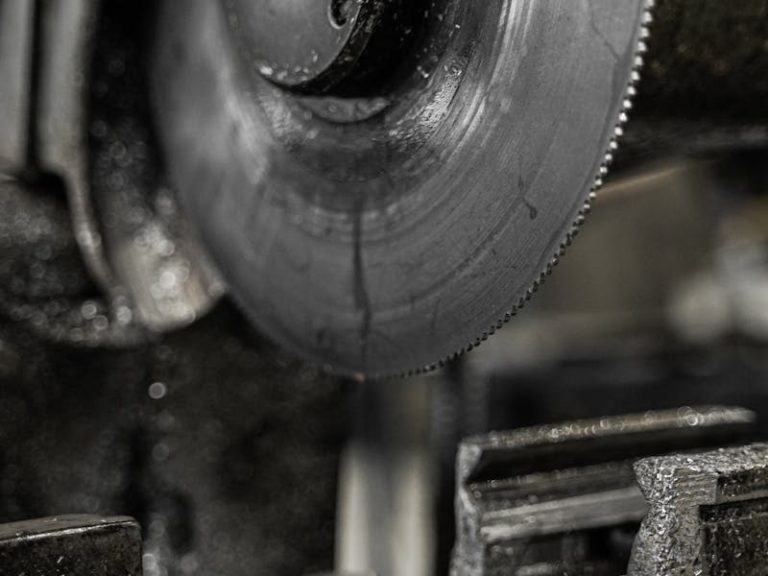
Blade wear, maintenance and cutting consistency
Regular inspection can help identify edge wear, chipping, unusual vibration and deterioration in cut quality. Follow the machine manufacturer’s safety and maintenance instructions before inspecting or replacing any blade.
Maintenance intervals depend on operating conditions and the material being cut. Recording blade performance and replacement history can make future purchasing decisions more informed.
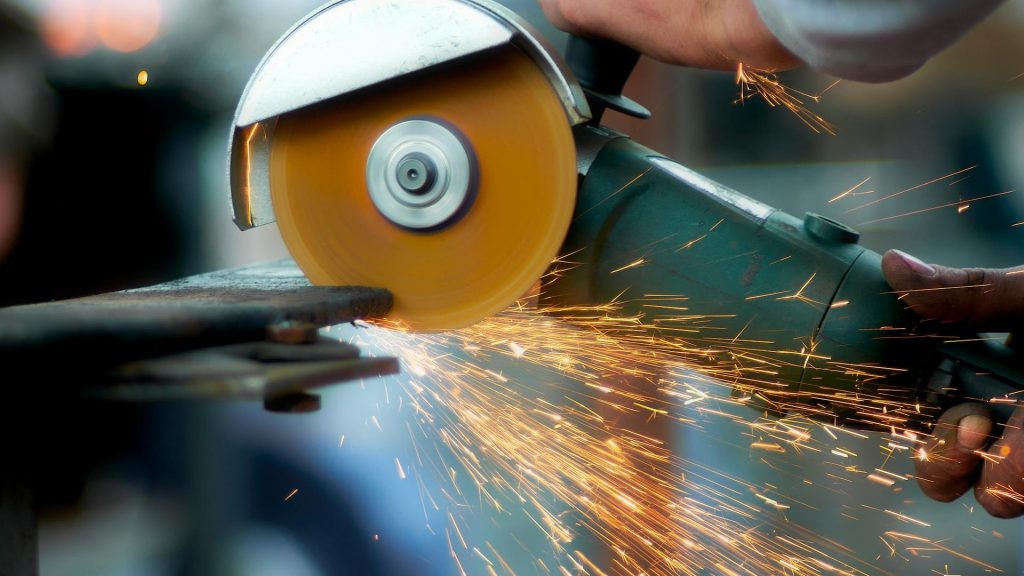
What to include in a blade quotation request
Useful information includes blade length, width and thickness; hole or slot details; edge profile; machine model; material being cut; required quantity; and any available technical drawing.
Laldee welcomes enquiries from Delhi NCR and industrial centres including Mumbai, Pune, Ahmedabad, Bengaluru, Chennai and Hyderabad. The more specific the application details, the easier it is to discuss an appropriate solution.
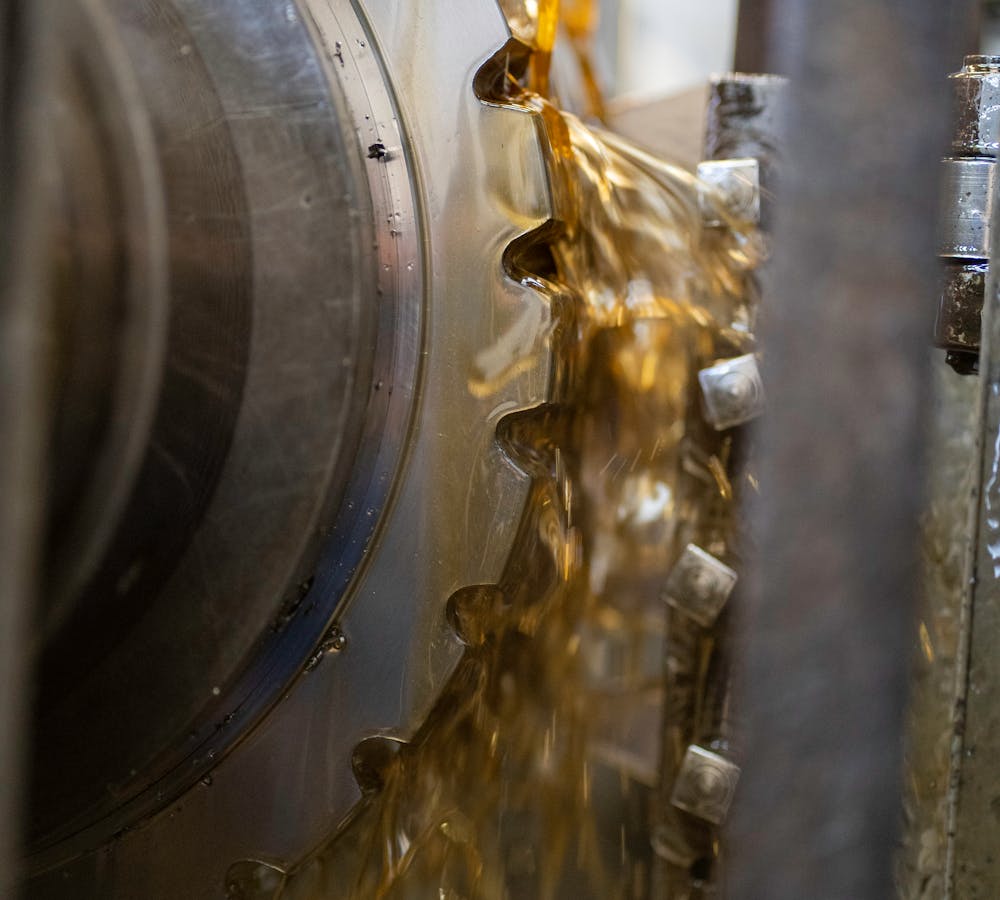
Explore More Technical Resources
Continue learning in our Technical Resources library, including machine knife selection, shear blades for sheet metal and blade sharpening considerations.
Common Causes of Poor Cutting Performance
Excessive burrs, inconsistent cut edges, unexpected knife wear and frequent stoppages do not always point to a single blade problem. Alignment, clearance, material thickness, feed conditions and machine maintenance can all influence results. Before replacing a knife, follow your equipment manufacturer's safety procedures and document when the problem occurs. Compare our guides on cutting burrs and blade alignment.
Preparing an Accurate Industrial Blade Specification
Where available, supply a technical drawing, blade dimensions, mounting pattern, edge configuration and the machine make or model. Explain the material being cut, expected operating conditions and any specific cutting issue. A clear description helps distinguish a routine replacement from an application that may need additional technical discussion. Use the Laldee enquiry form to send your requirements.